8 min read · Updated
Quick answer
Which Buenos Aires neighborhood is best for a first visit?
Palermo is the safest first choice: the deepest rental supply, the most restaurants and easy walking. Choose Recoleta for formal grandeur near the museums, San Telmo for historic character, Puerto Madero for modern towers, and Belgrano for value on larger apartments.
Buenos Aires is large, flat and divided into barrios with genuinely different personalities. Choosing the right one matters more than choosing the right building, because in a city this walkable your neighborhood becomes your trip.
Palermo: the default first choice
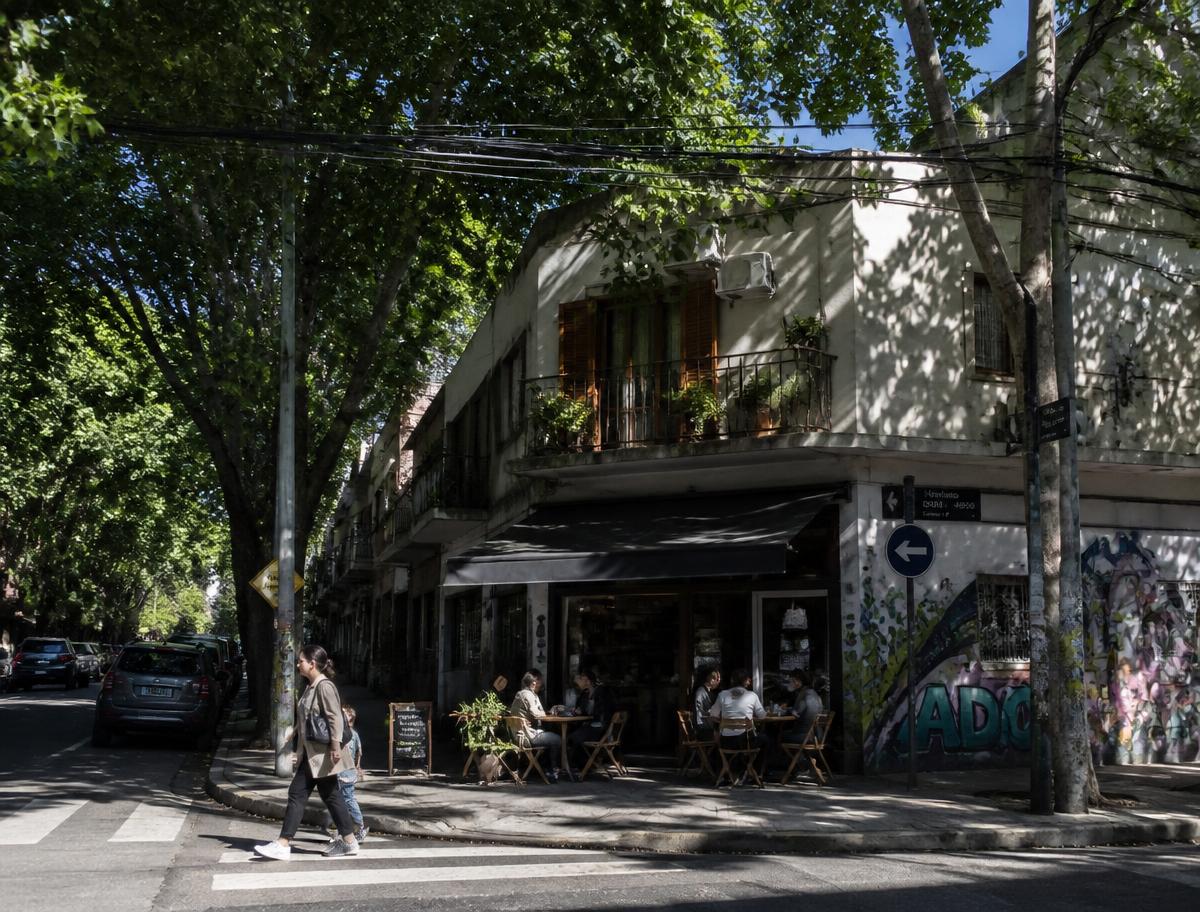
Palermo covers a huge area and splits into sub-neighborhoods. Soho is low-rise, boutique-heavy and busy at night. Hollywood is slightly calmer with a strong restaurant scene. Botánico and Chico are residential and elegant, close to the parks and the museums along Avenida Libertador.
Rental supply is deepest here, which means better-maintained apartments and more competitive pricing than the tourist-facing hotel districts.
- Best for: first-time visitors, food-focused trips, longer stays
- Trade-off: some streets are loud on weekend nights
Recoleta: formal and central
Recoleta's apartments are the ones people picture when they imagine Buenos Aires — high ceilings, parquet floors, wrought iron balconies. The neighborhood is quieter and more formal than Palermo, and closer to the city center.
- Best for: museums, architecture, quieter evenings
- Trade-off: fewer casual restaurants
San Telmo: character over comfort
Cobblestone streets, antique shops and converted 19th-century houses. San Telmo has the strongest sense of place in the city and the most variable housing stock — inspect listings carefully for noise and maintenance.
Puerto Madero and Belgrano
Puerto Madero offers the newest buildings, with pools, gyms and river views, but little neighborhood life. Belgrano and Colegiales are residential and green, and tend to offer the most space per peso for stays of a month or more.
How long to book
Four to seven nights covers the essentials. If you are working remotely, monthly rates in Buenos Aires are frequently 30–40% below the nightly equivalent, and hosts expect longer negotiations for stays beyond 28 days.